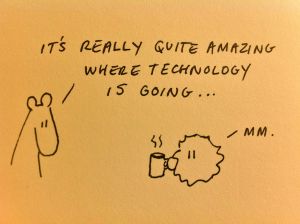
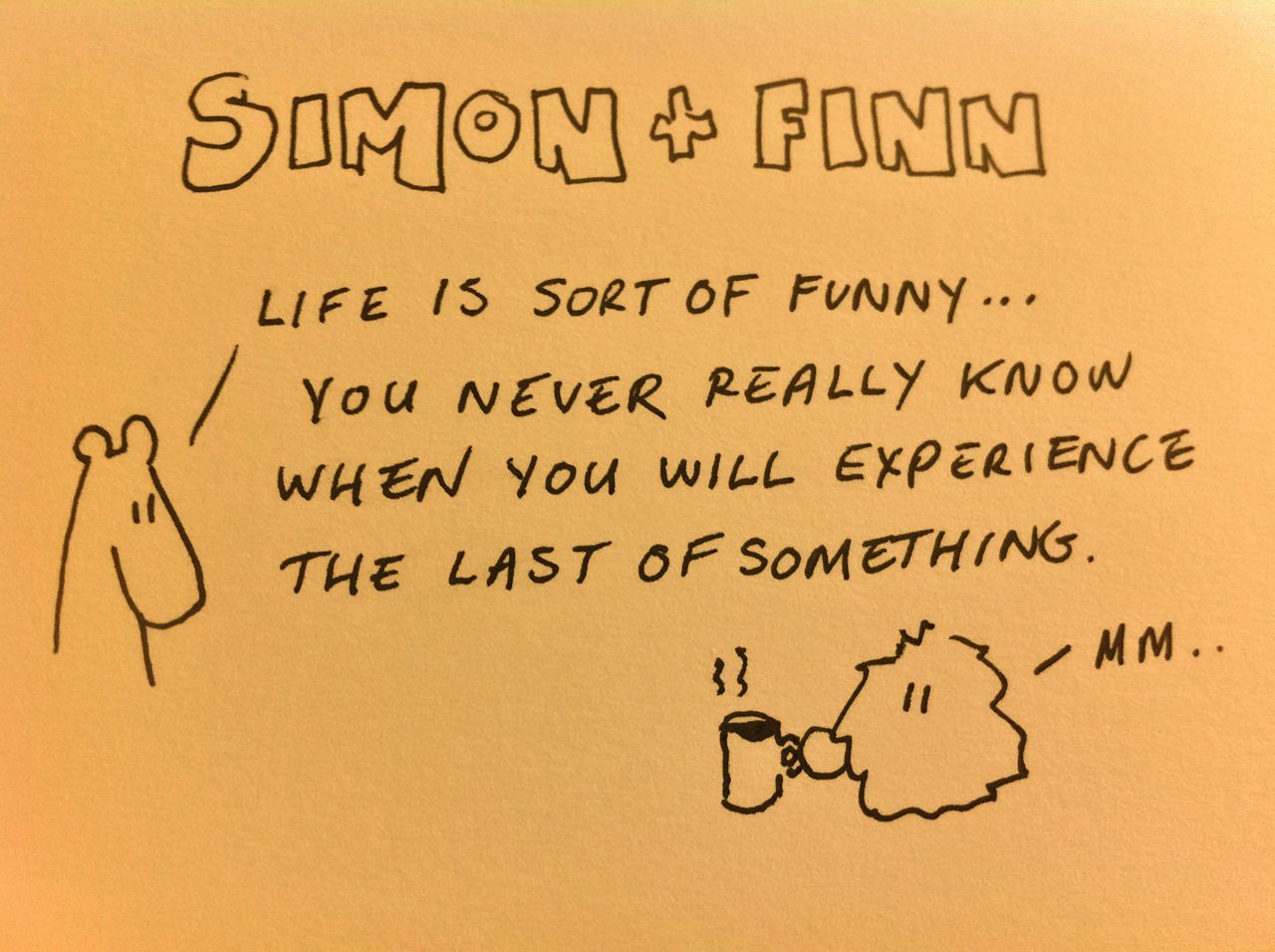
The last of those summer hooves

Infinity, you say? Right this way please.

You probably all remember those glorious two months of summer when you were a kid, when school was out for the best time of the year and the next hazy cricket-hum days were spent running around like wild, swimming, playing, exploring, until the sun went down and your parents called you home.  I can always distinctly remember that the end of summer – and going back to school – meant putting on my socks.  The socks would feel real funny, as it was the softest thing my callused feet (a.k.a. “summer hooves”) experienced in what was like, forever.

This memory always gets me to thinking.  If only I had known the very last time my little summer hooves experienced that soft velvety sockness I would have KNOWN that was the last time that we ever had a full two months of the best times of our lives to run around carefree like the wind…

I read somewhere once that we humans are eternal optimists, that we live our lives as though the moments ahead are infinite, and that at any time we choose, we could experience any one moment again.  The reality is that these experience possibilities are not infinite, they are finite, and when it comes to the sum total of our lives we never really know when we’ve experienced the last of something.

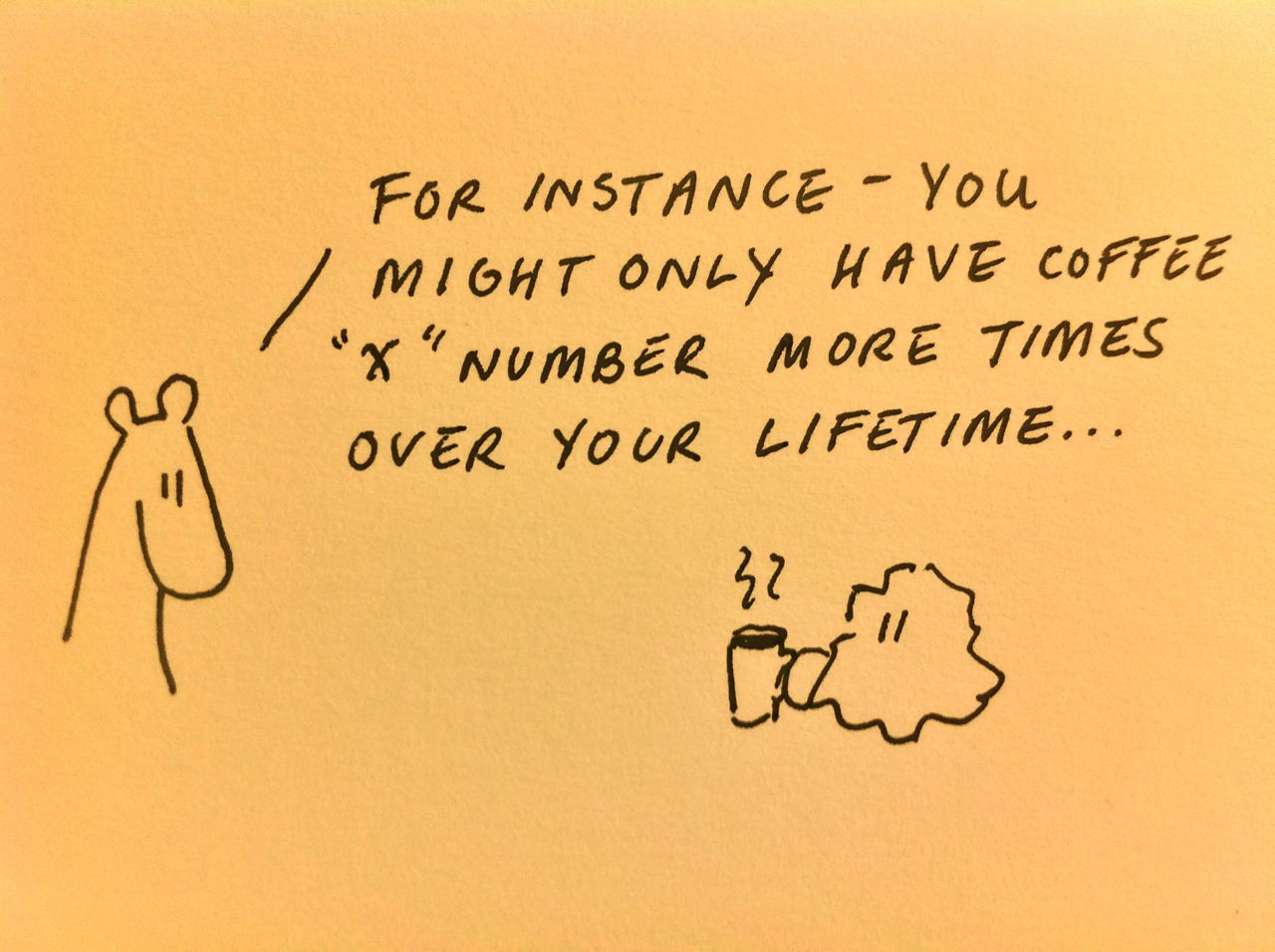
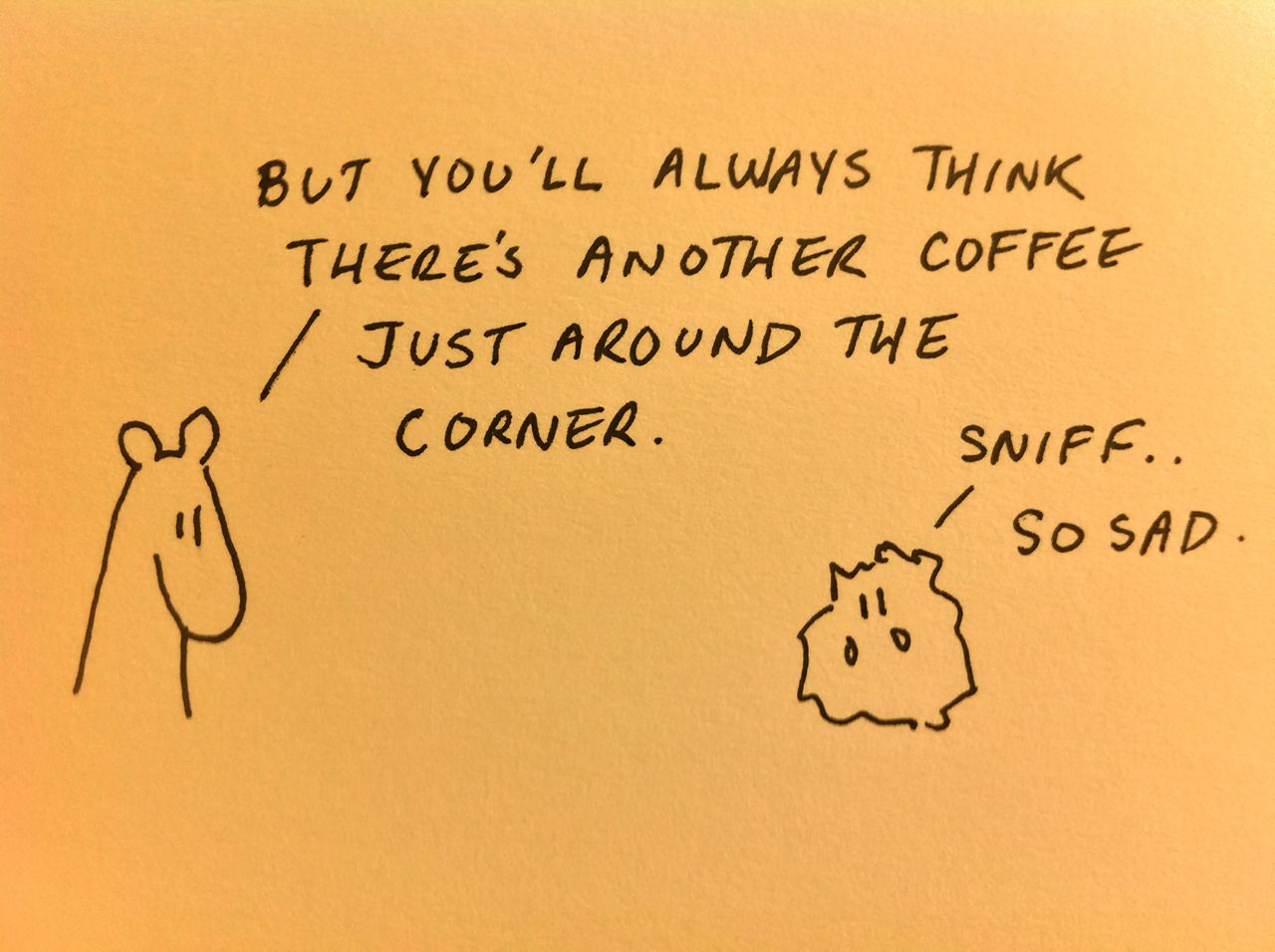
For example, over your lifetime you may only fully watch 134 sunsets, you might only ever have (gasp!) 57 perfect cappuccinos, or 78 swims in the ocean… but the possibility of the 135th sunset, the 79th swim, and the 58th perfect cappuccino, is always there.  It seems that for us, Pandora’s Box rings eternal and it’s a blessing, as we think that there will always be another sunset to fully appreciate, never really knowing that the one we watched way back when was actually our last.

NYC’s Lowline Underground: The Future of Parks?

Just another sunny day in the hood..

You may have heard of that unusual new idea to create an underground park in NYC.  Nicknamed the LowLine (formally Delancey Underground), the project was trending on kickstarter.com (155K raised) to create a full-scale demo this spring.  The thinking is to transform a 1.5 acre abandoned trolley terminal into the world’s first underground park.

It’s a nifty idea, replete with the requisite tech-fixes, i.e. gathering sunlight via fibre optic cables to reflect light and enable photosynthesis underground.  The community component is also pretty cool, as you can imagine what opens up to people when you have a year-round green public space available in the hood.  Re-purposing derelict urban areas to augment green space and amp up community vibrancy is a pretty fantastic thing to do in general.

When you step back a bit though, an underground park is bit of a curious idea. It kind of flies in the face of getting fresh air, feeling the sun on your face, and squishing the grass between your toes.  For those old enough to remember, the concept echoes The Secret World of Og, a fantastic underground place populated by green men and um.. mushrooms.

Now, one can definitely argue that the creators of the Delancey Project are prescient, thinking ahead and planning for how the future of how urban design will play out as the human population expands and resources shrink.   In fact, one phrase on the DU website speaks to this very idea, which states that the LowLine is “essentially part of the next phase in urban design, in which human scale and increasing resource scarcity force us to imagine smarter, more creative use of public spaces.”

That’s kind of a scary statement.  Not the LowLine project per se, but the presupposition that the future of urban design is one that “forces us to imagine smarter and more creative use of public space”.  Surely there exist immediately available opportunities for public space that don’t require only a “technology as panacea” epiphany, or some other creatively convoluted approach.

Take High Park for example, Toronto’s little above ground gem.   What a lot of people don’t know is that this park is the result of one guy (John Colborne) thinking ahead, perhaps musing as follows: “Hmm… I wonder what happens if x city grows by y amount.. and if so, perhaps it would be good for the city to have z greenery”.  As High Park was a pretty hefty trip from downtown Toronto at the time, city planners thought his suggestions unnecessary and Colborne had to do a lot of convincing to get the City onboard.  The happy result was that Colborne bequeathed the Park to the City in 1873, and now we have this great green space that over a million people a year visit.

(When you really stop to think about it, Colborne’s legacy is pretty amazing. The foresight of one man way back in the 1800s created a place that so many people enjoy in different ways, and also one that hosts a number of native species.  If you’ve ever spent a few hours in the park, and many of us have, we all recognize how rejunevating it is to spend a few hours au plein air.)

Now, there’s some differences between the context for High Park as it was created then, and NYC LowLine as it’s being envisioned now (i.e. massive growth in population, transportation, urbanization, densification, etc.). And it stands to reason that LowLine may be an indicator species for a new conceptualization of green space that can flourish underground, which would be pretty great.  This said though, it would be a shame if the only solutions available to the future of urban planning – as implied by the Delancey project – were seen as those involving some kind of cool new high tech approach instead of boring old low tech conservation – especially given that it’s these latter projects that tend to stay the course over the longer haul.

Just look what Colborne did over 100 years ago.  Thank you Mister Colborne, you rock!
Why David Eddie’s cool

Where to, Your Highness?

So, I happen to think that the advice columnist from the Globe & Mail – David Eddie – is a pretty top-notch writer (yes, I’m admitting I read advice columns, ok moving on!!).  Not only that though, he generally gives good advice – warmhearted, empathetic, yet also cuts to the chase when someone’s not being a class act.

For example, last week Mr. Eddie posted a little spiel by somebody who was upset their sister rudely canceled on attending a family dinner party.  The hostess was upset given the amount of work hosting can entail, yet was unsure of how (or if) to convey her displeasure.  Mr. Eddie’s response to this dire social conundrum?  “Well, you know, we advice columnists are always counselling people to take the calm, rational route, adopt the long view, be the better person, and la la la.  But in this case, I think you should let your sister have it, right between the eyes.”

Ha, ha!  Way to go, Mr. Eddie!
But then, he blew the whole kind of trite-advice-on-social-mores thing to a whole other philosophical ballpark by going on to quote: “We teach people how to treat us”.  That pulled me up short.  Now when it comes to small fry things like getting mad at dinner party cancellations and such, of course there are a lot of people that wouldn’t be fazed one whit and go on with their lives (as many of the G&M comments pointed out). However, to me anyway, the quote supersedes its arguably shallow origins because it’s one of those deeper truths – we do teach other people how to treat us.  And that’s the bigger lesson he’s delicately imparting, whether we’re talking about little things or far bigger ones..

So, next time I’m ranting about why so-and-so did or didn’t do x or y, I’m going to take a little look in the proverbial mirror first (but just a short one, as ranting is fun!)

Too much of a good thing?

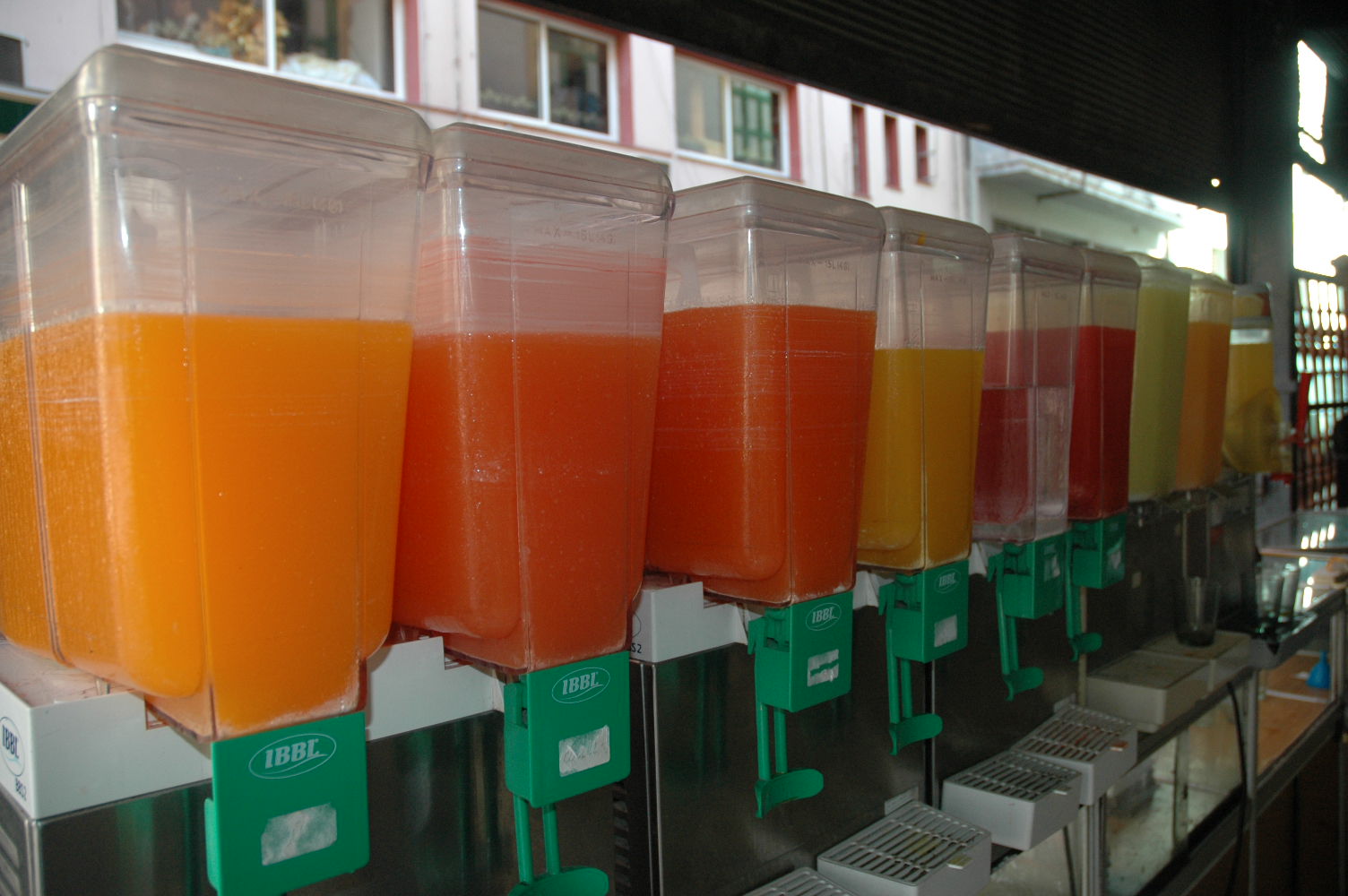
I'd like the orange one please...

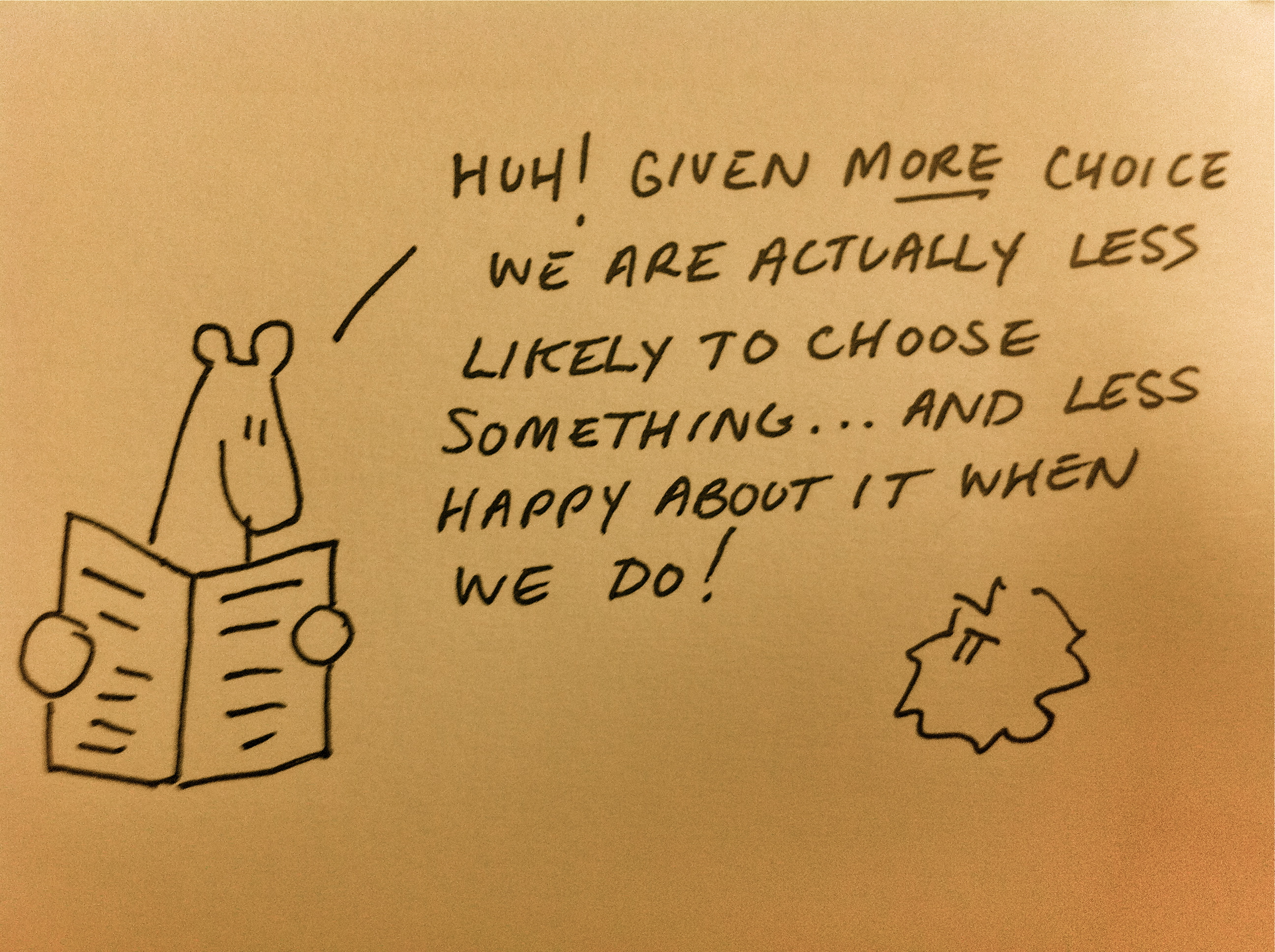
“These are momentous times for the British potato crisp.”  And that’s the delectable start to “The tyranny of choice: You choose”, a great article that touches on the behaviourial science behind making choices in a world where – doggone it all! –  there are just too many options.

The basic premise to the piece is that the sheer exhaustive number of possibilities that the average North American has at their disposal makes choosing just one, well, paralyzing.  Witness the typical stroll in Shopper’s Drug Mart looking for say… toothpaste.  Who hasn’t been stricken dumb by the options, mouth agape?  i.e. Tartar control!  Whitening!  Natural!  Organic!  Natural AND organic!  With fluoride!  Without fluoride!  Bourbon-flavoured!  Anti-calculus!  (I must have been using this last one my whole life judging by my math grades).

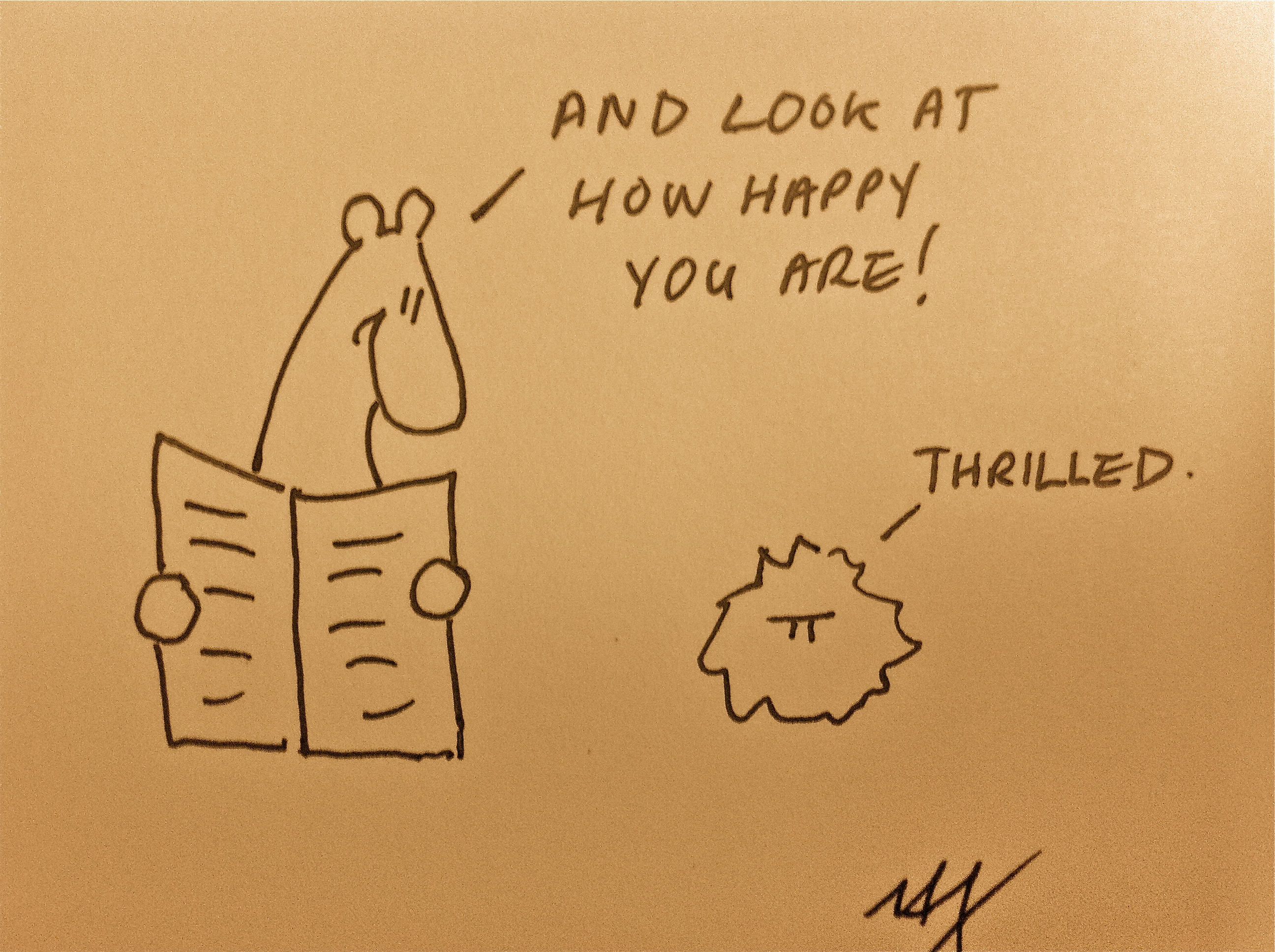
The funny thing is that sometimes, providing more choice can result in no choice at all. A Californian study showed that shoppers, faced with multiple varieties of a product, were much less likely to make a purchase when the number of varieties increased. Moreover, other examples show increased satisfaction when choice was made from smaller selection samples – this was particularly shocking given the sample in question was chocolate.

What does this all mean?  Essentially, too much choice reduces us to a state of torpor, where we’re rendered immobilized and anxiety-ridden all at the same time.  Basically, while some choice is good, this doesn’t mean that more choice is actually better, as expressed by Barry Schwartz in his TED treatise “The Paradox of Choice”.

Psychologically speaking, it seems we’re better wired for a simpler and perhaps more binary type of existence, as opposed to the infinite decision tree that confronts us upon walking out the front door, wallet in hand.  As per one commenter on the site: “I am constantly stressed about taking the wrong choices in life. I wish I had been born a peasant in the middle ages. Tend your field, get married, have kids and die. No social mobility, no options. Easier life. Voila.”

P.S.  The idea of choice overload can be traced back to Aristotle, Ortega, and the French philosopher Jean Buridan, who theorized that an organism faced with the choice of two equally tempting options, such as a donkey between two piles of delicious hay, would delay the choice.  This is sometimes referred to as the problem of “Buridan’s ass”, as the ass, not able to choose between the two, supposedly dies of hunger.  Poor little not so bright guy – he must’ve been using anti-calculus toothpaste too.

Facebook Timeline and the quantified self

Right there with you, every step of the way

By now, most Facebook users know about the widespread introduction of Timeline, which is an adaptation of the site to share more of its users life through infographics.  Basically the site now takes all the personal data dropped into the Facebook void and knits this into a lifeline that reads like a cross between an illustrated story and an annual report.

The format is largely credited to Nick Felton, the design-uber genius who rose to fame by charting a year of his life in annual report style.  Felton’s approach is impactful, visually appealing, and somewhat provocative as it essentially quantifies life by the numbers, and the supposition is that the numbers you choose to quantify add up to the totality of your life (or, at least the totality of it you want to show publicly).  For example, Felton’s 2011 annual report contains randomness ranging from the number of hours spent at work (2,567.5), to the number of alcoholic beverages consumed (806), to the number of teeth lost by his cat (1).

In a sense, this “quantified-self movement” is somewhat iterative, as one has to ask how many of Felton’s 2,567.5 work hours were spent quantifying those very work hours. (A 1,000?  Perhaps 2,000?)  And how many of those hours were spent quantifying hours spent quantifying?  And so on..

Stepping back, this never-ending virtual solipsism is a pretty bizarre ride we’re on.  It’s as though you were to find yourself standing in between two mirrors, and, turn around as you might, you can’t quite catch a good look at the smaller versions of yourself stretching out into infinity.

P.S. The Walrus recently penned a piece on Facebook’s new Timeline format which has some interesting thoughts.

i.e. “Yet to call the sudden regurgitation of years of photos, messages, contacts, and comments disconcerting is an understatement. All along, Facebook has been tracking your data, waiting for this moment to arrive. Because it’s not just your Facebook life that Timeline captures: the first date is not, as you might expect, the day you joined; it’s the day you were born. A site best known for disseminating awkward party photos is now imagining itself at the foot of your mother’s bed at the moment of your delivery, diligently taking notes…

Rather than downplaying the mountain of data it has collected, Facebook put it on display. Look, it says, look at how much we’ve learned about one another. We’ve come a long way, you and I. Look at what we’ve built together. You wouldn’t walk away from that, now, would you?”

Canada and the Arctic Grail

Sheesh how far do I have to go to get ice around here

In 2007, a chap by the name of McKenzie Funk published a nice piece in Harper’s, “The Coming Fight for the Melting North”.  It’s a gorgeous piece of writing on what’s happening in the Arctic given the melting ice and the subsequent opening up of transportation routes and resources (you need a subscription to see the article, but summaries can be viewed here, here, and here).

Basically Funk does a bang up job describing the intricacies of the maneuvering for territory occurring up in the Arctic.  It’s a pretty huge deal given the commercial, military, and resource value of that area (i.e. the U.S.G.S. estimates the area holds up to 25% of the world’s undiscovered oil, and whoever controls the shipping up there is going to be set).

This means that who owns what and whose territory ends where is of increasing interest. How much interest?  Well, with its expanded holdings the United States could potentially grow by 4.1 million square miles to become the world’s largest country (and acquire $1.3 trillion worth of resources to boot).  That’s… quite a bit.

Funk goes on to say that with the Arctic ice melting, “experts foresee numerous conflicts between the five nations whose borders meet there. Russia, Canada, Denmark, Norway, and the United States all have borders along the Arctic, and all of them have already begun research into what swathes of territory their continental shelves entitle them to claim“.  As you can imagine this has made Canada a little nervous, as suddenly its continuing entitlement to its northern coastline and waters has become somewhat more nebulous.

Although it’s tricky to predict how this will all play out and there’s been renewed interest in collaboration of late, two things stand out a bit:

  1. Despite the continuing debate about whether climate change is real, there is a very real jockeying for position predicated on melting ice floes; and,
  2. Given what’s at stake in an increasingly constrained world, if push comes to shove there’s likely going to be a lot of shoving.

Ant Pompeii

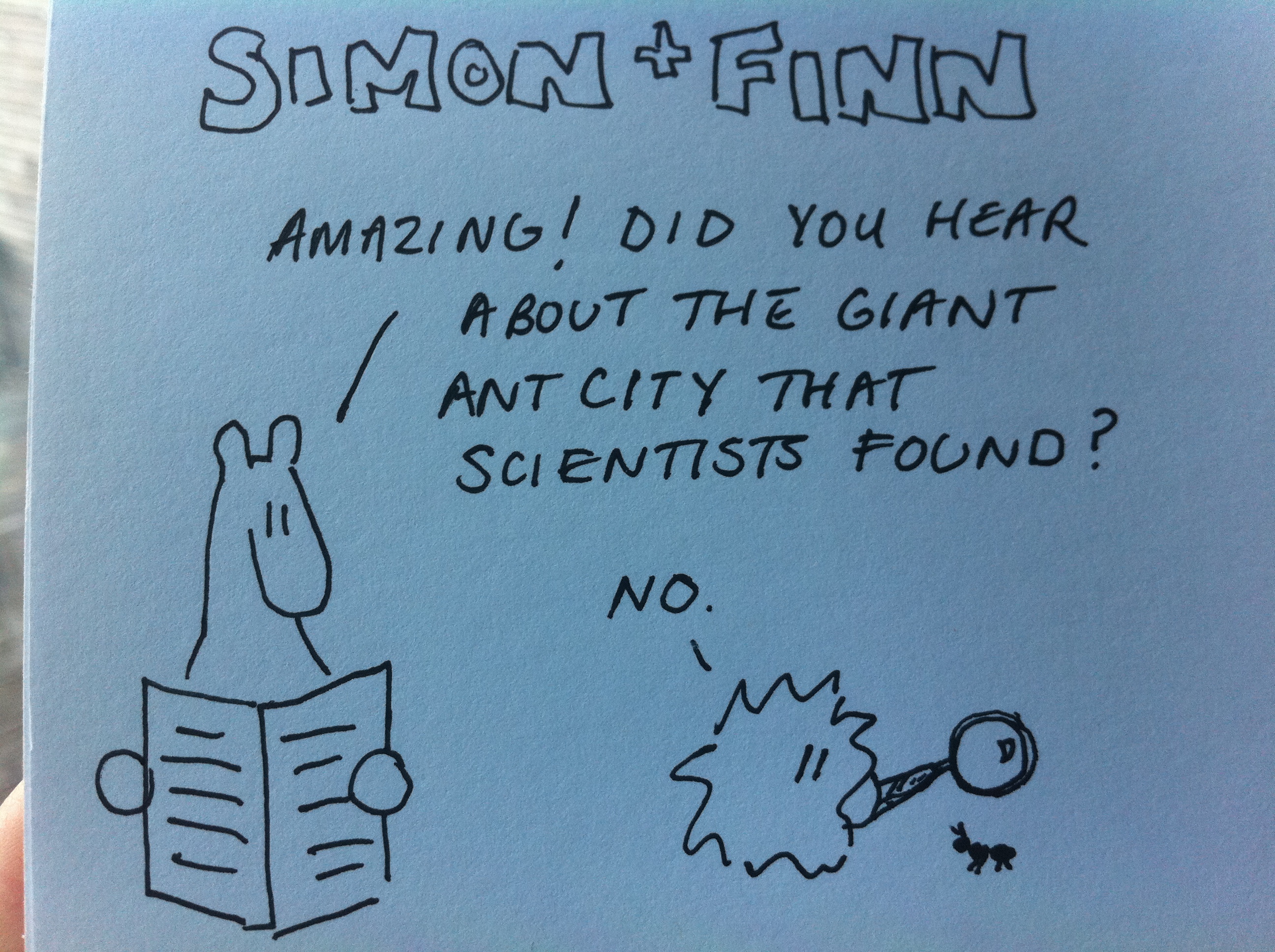
You’ve likely already heard of the giant ant super-city found in Brazil.  If not, it’s pretty incredible looking and fantastically huge – check out this DailyMail link to see images of the structure.  This eerie and highly alien city includes agricultural gardens, highways, waste disposal areas, and organized ventilation shafts –  all distributed in a labyrinthine order of pods and stalks.

Leafcutter ants, the original colony, are food cultivators par excellence – you can see them beavering away in the short clip above (sorry about my unsteady hand – mucho coffee that morning). Basically they’re collecting leaves that are brought back to the colony and cultivated to grow fungus in the garden areas.

Sounds a little like organized agriculture to me.

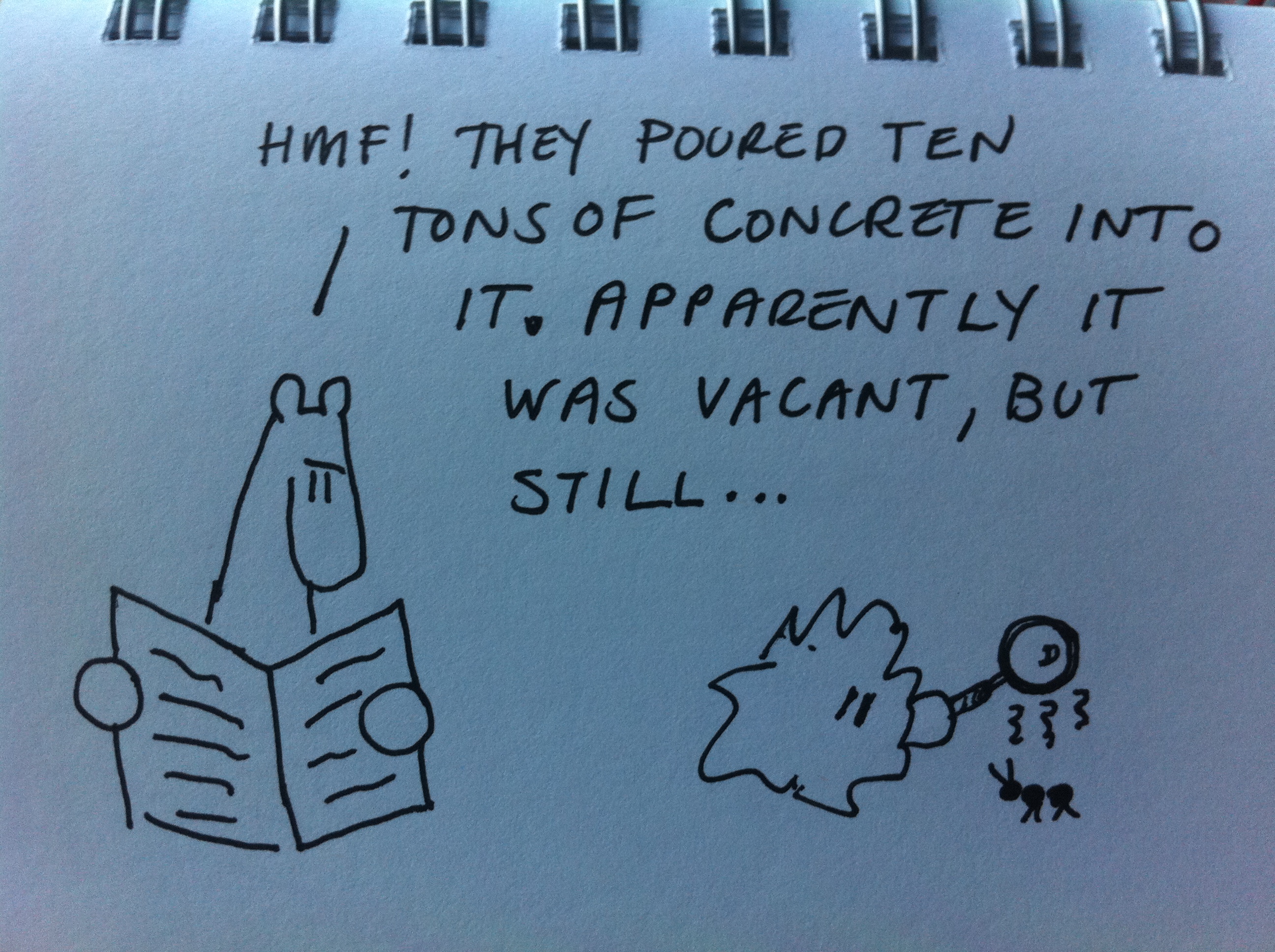
To see the final structure, scientists poured ten tonnes of concrete into the ant city which then solidified.  Although the colony was apparently abandoned, one has to wonder what the ants think about their very own Pompeii for posterity.

Toxoplasmo: Zombies Among Us

I wonder what these little guys are plotting..

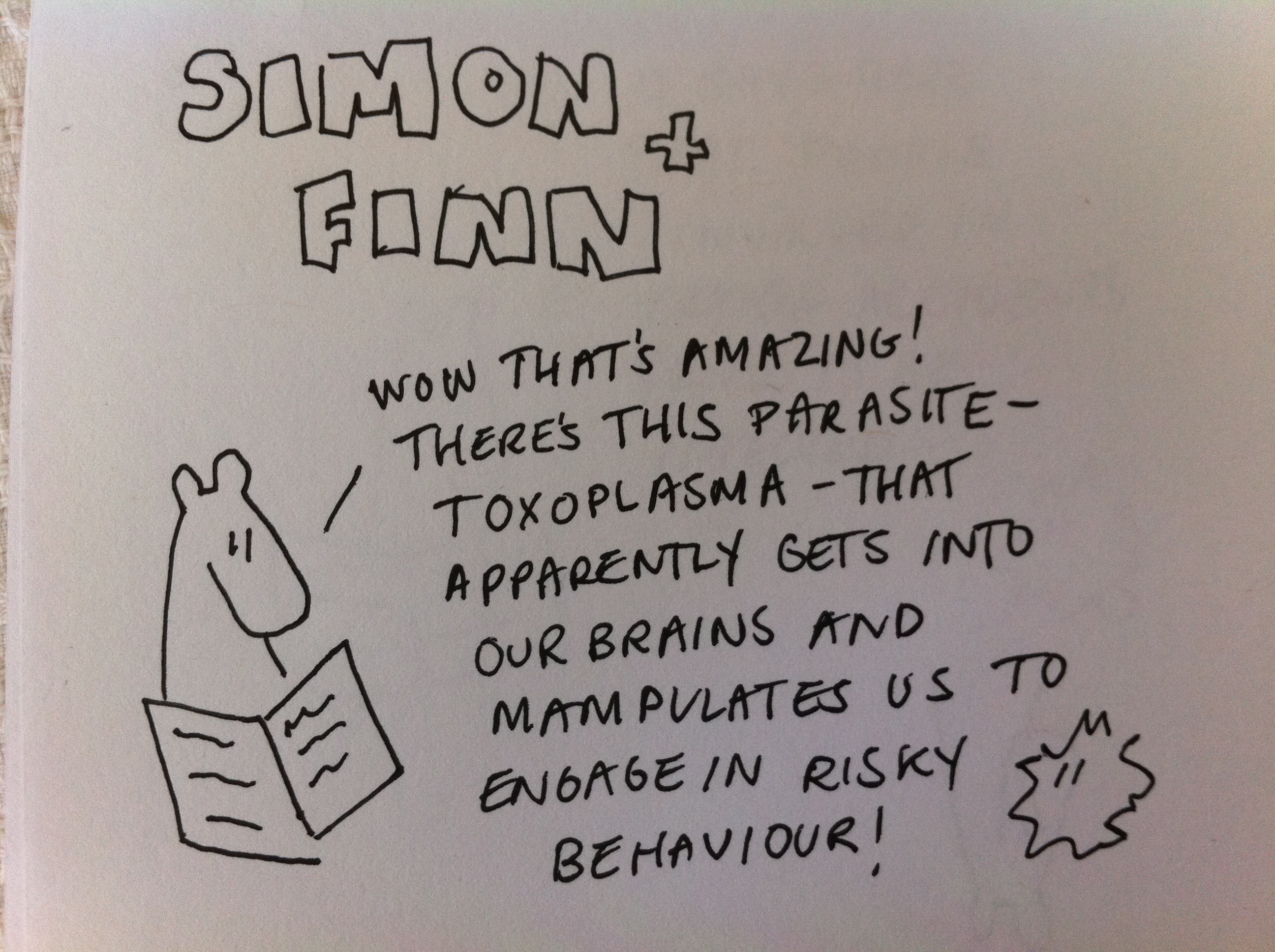
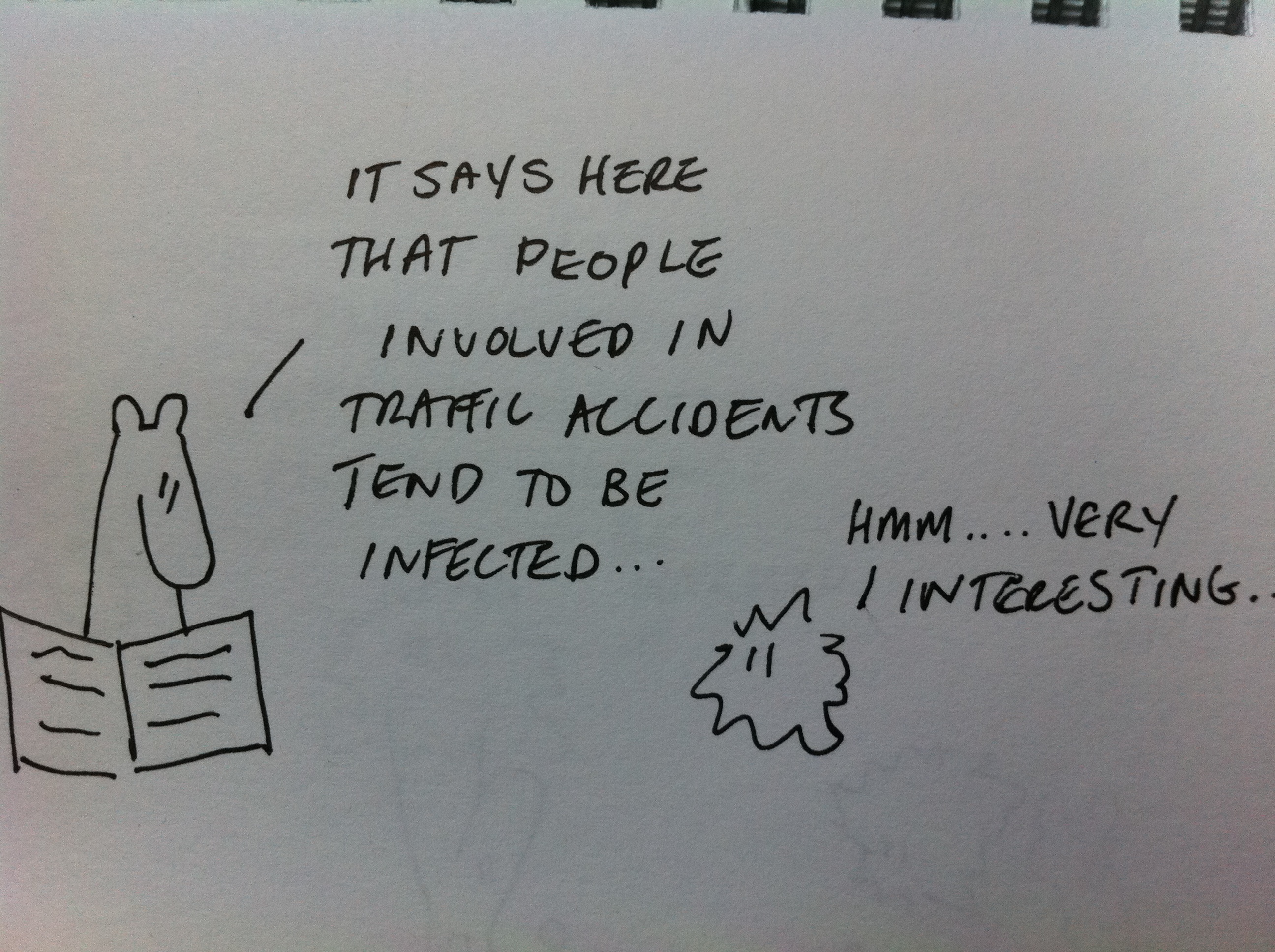
So there’s this pretty funky parasite that some researchers think gets into our brains and subtly manipulates our personality to engage in self-destructive behaviour (see articles in The Atlantic, The Guardian, and another similar example in Scientific American).

Apparently this parasite – Toxoplasmo gondii – might be subtly working on the connections in our brains to change our responses to situations, and possibly be contributing to car crashes, promiscuous behaviour, and certain mental disorders.

In rats for example, the parasite actually compels rats to go play with cats!

Makes one wonder…

Yoga is Scary

So I tried yoga a few weeks ago.

It seemed like a good idea at the time, you know, get more bendy.  All was going well, until the call for backwards-facing-cobra or something to that effect.  Unfortunately what I heard was something more like upside-down-manatee, or ungulate-grazing-in-reverse. As my neck hasn’t been the same since, evidently I wasn’t either of those two mammals in a past life.

More importantly, has anyone else noticed how grumpy some yoga aficionados look when you spot them doing ‘normal’ stuff like taking out the garbage?  One would think serenity would prevail..

Mark my words, there’s something afoot.