Opening up our thinking
A while back in Scotland, a wee seal named André was awarded a fishing permit by the Loch Lomond Angling Improvement Association. Fortified with his new permit and passport sized picture, André was now legally allowed to fish to his stomach’s content until October 31st, 2003. The Association’s reason for its generous donation? “André has been committing a poaching offense by eating all our salmon. He has already cost us thousands of pounds in fish and through loss of permit sales, so the least we could do until he is caught is to make it legal.”
Too funny.
In a letter to his newest member, Mr Brady, the Association Chair at the time, wrote: “We have decided to issue you with a fishing permit for the season. This will allow you to fish in Loch Lomond and the River Leven. Last year some of your friends (two otters) moved into the River Endrick, so you may wish to visit them and (unfortunately for us) share a salmon or two with them.”
What’s particularly interesting about this one though, is that eleven years later The Economist, stalwart economic orator that it is, has taken the unusual step to publish a proposal by the American Association for the Advancement of Science (AAAS). The proposal? That whales and dolphins, based on their degree of intelligence and self-awareness, are “persons” too and as such should be accorded these rights.
According to the proponents, this idea – that is, what we call a person – does not necessarily need to be human. Instead, in philosophy, a “person is a being with special characteristics who deserves special treatment as a result of those characteristics.” Based on this premise, cetaceans do indeed count as “persons” and therefore have moral rights as appropriate to their species.
Although the proponents have cautiously and understandably left some wiggle room here, i.e. “as appropriate to their species”, it’s interesting – and perhaps testament to our moral development – that these conversations are occurring at the level of AAAS and being picked up by The Economist, no less.


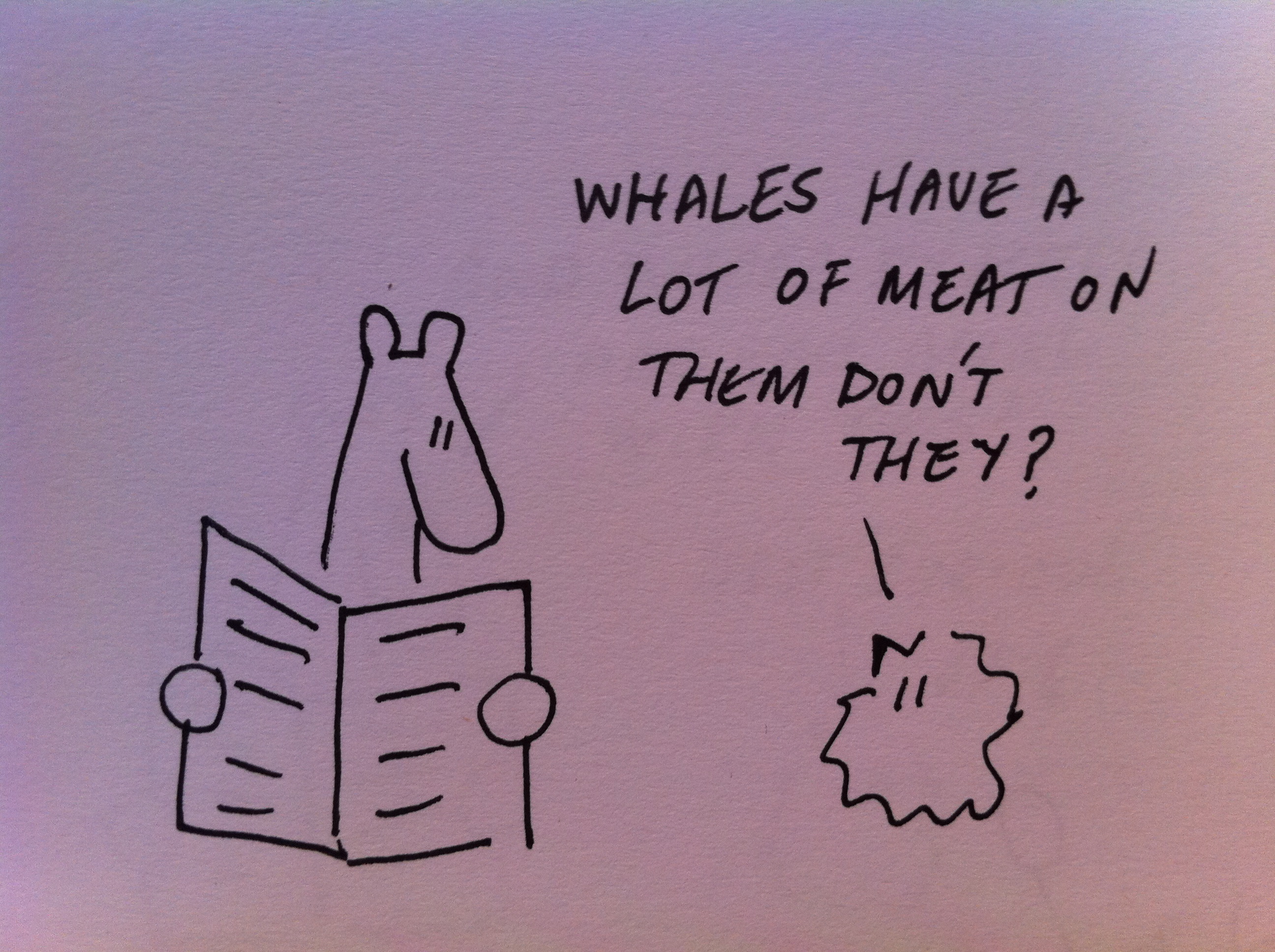
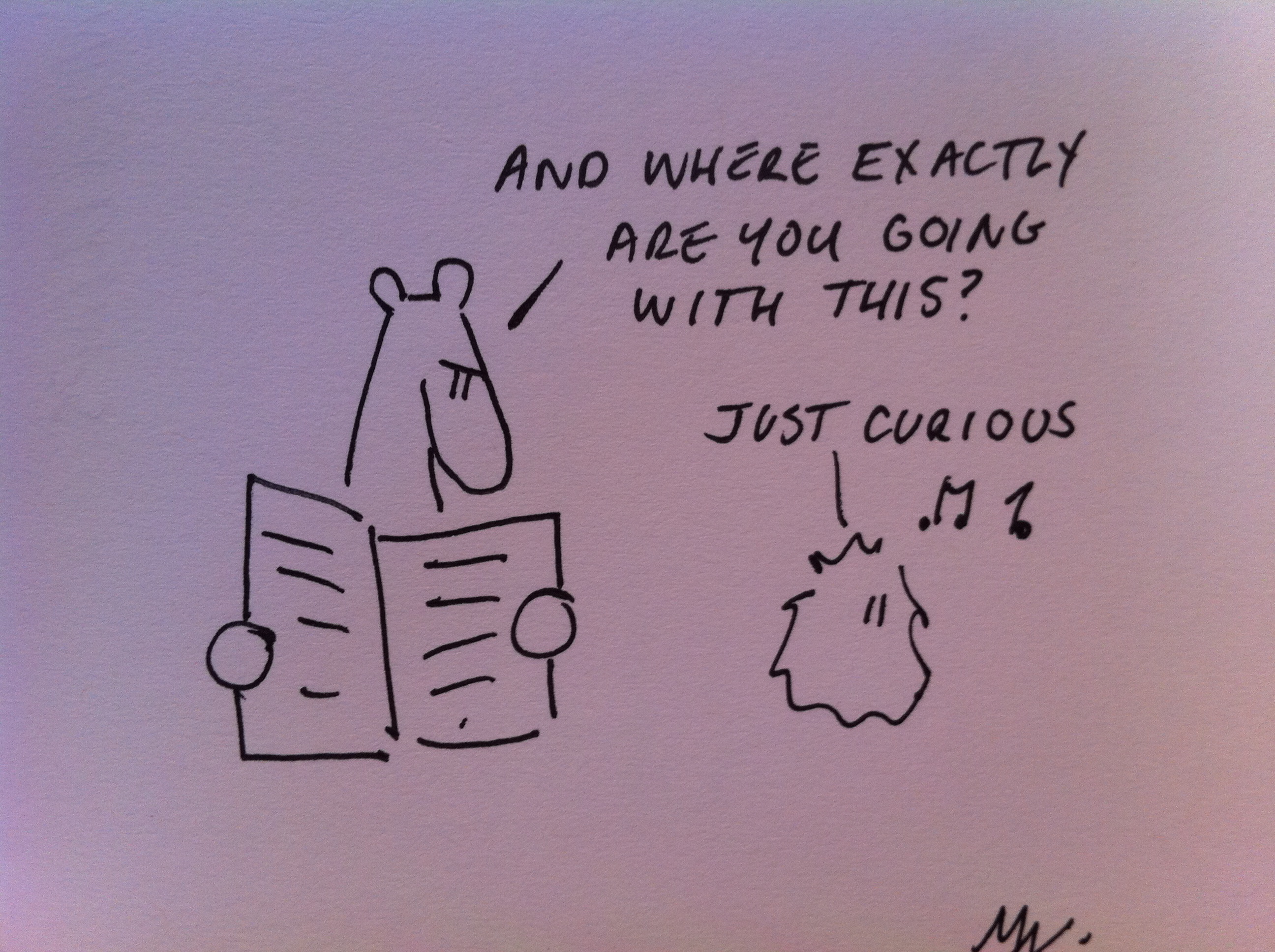 P.S. A couple of tongue-in-cheek commentators on the Economist article thought that perhaps the whales would take offence to being called people. Still others indicated that perhaps immigration might become an interesting issue.. i.e. “the Grey Whale crosses from Mexico into US waters early each year without any documentation. Then the entire population spends months eating American molluscs and having sex in American waters until returning to Mexico (again without bothering to get their passports stamped) where each winter the next generation of illegal immigrants is born. If we recognize whales as equal to people we may have to (at last) develop an immigration policy that treats Mexicans (and others from the South) as human beings!”